
Hosonuno
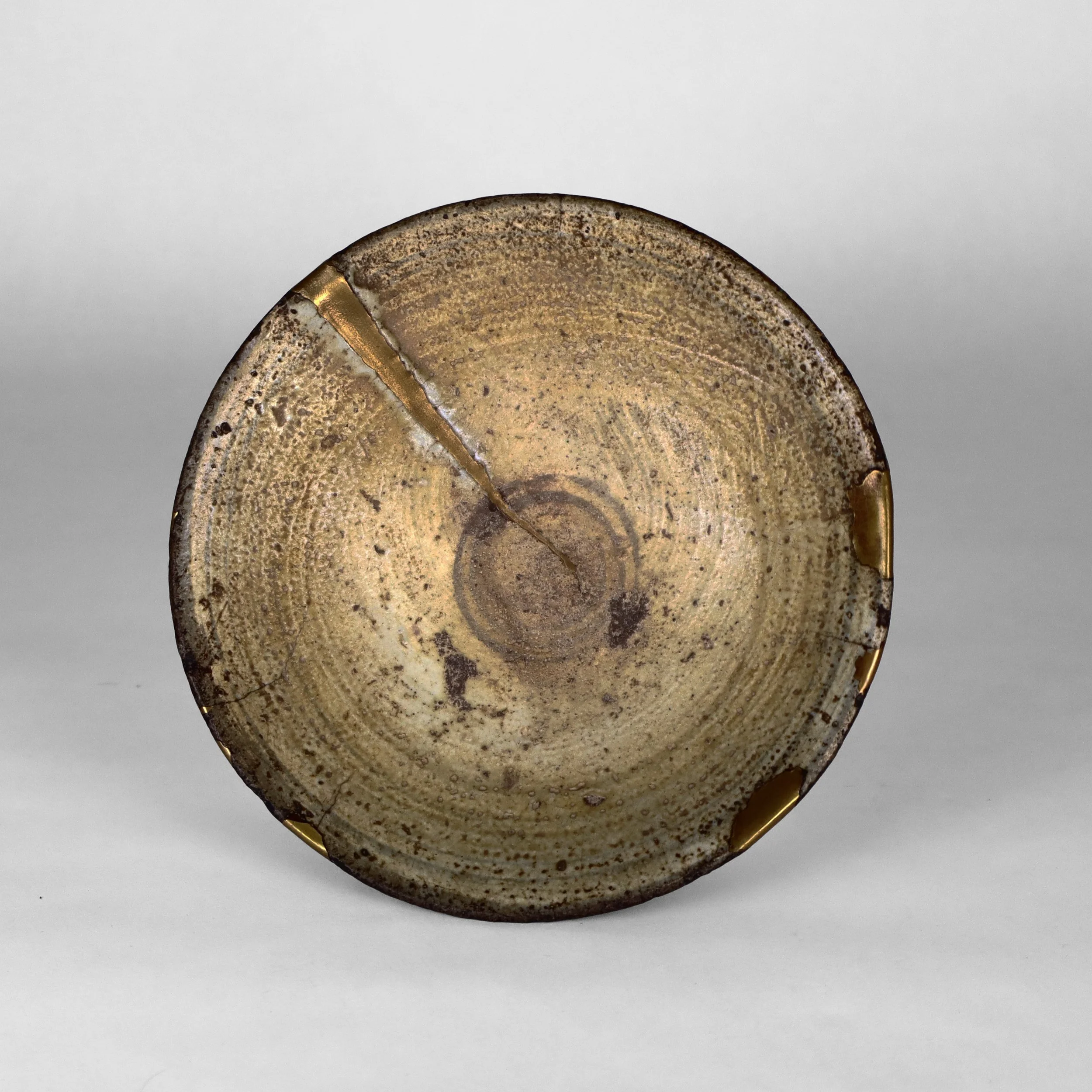
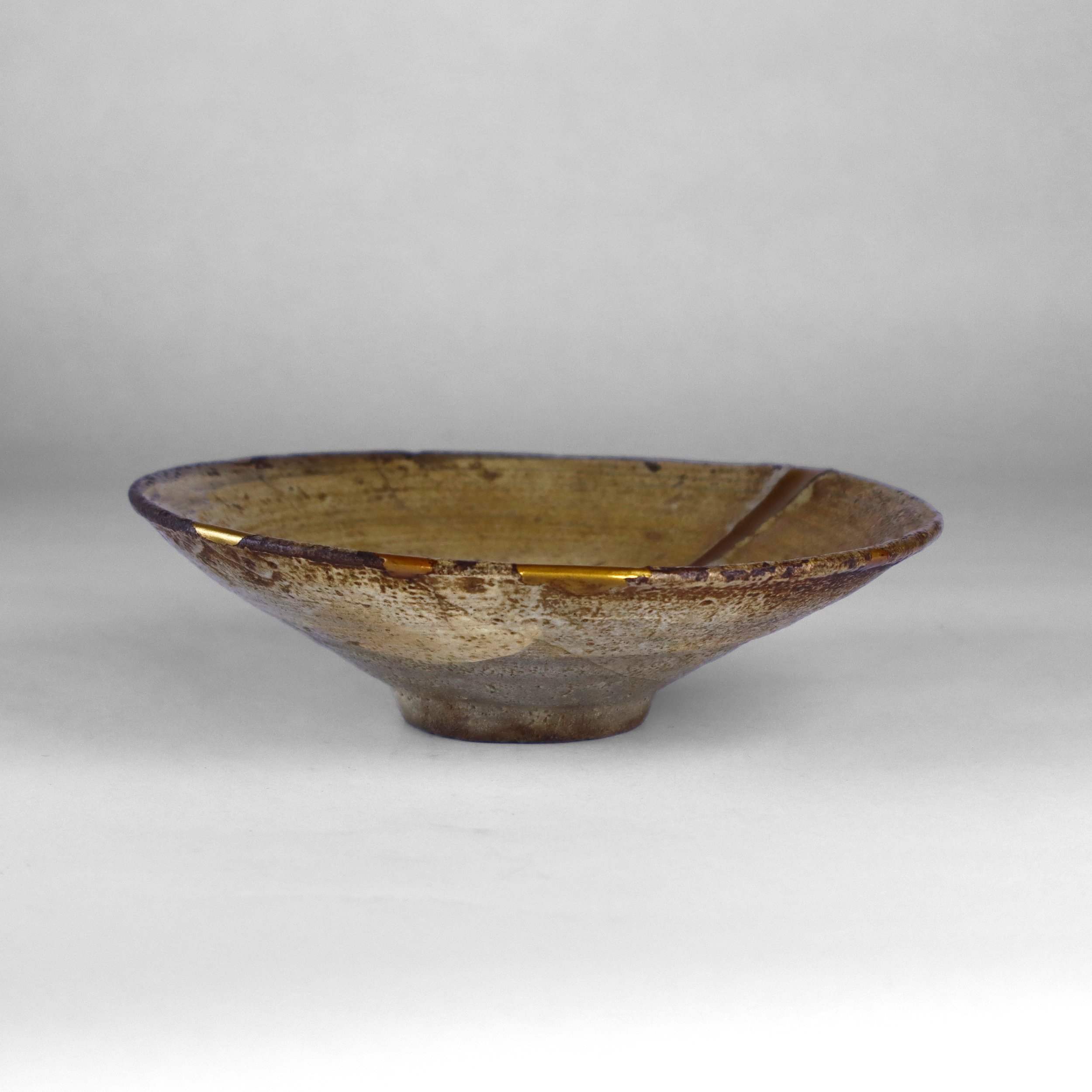
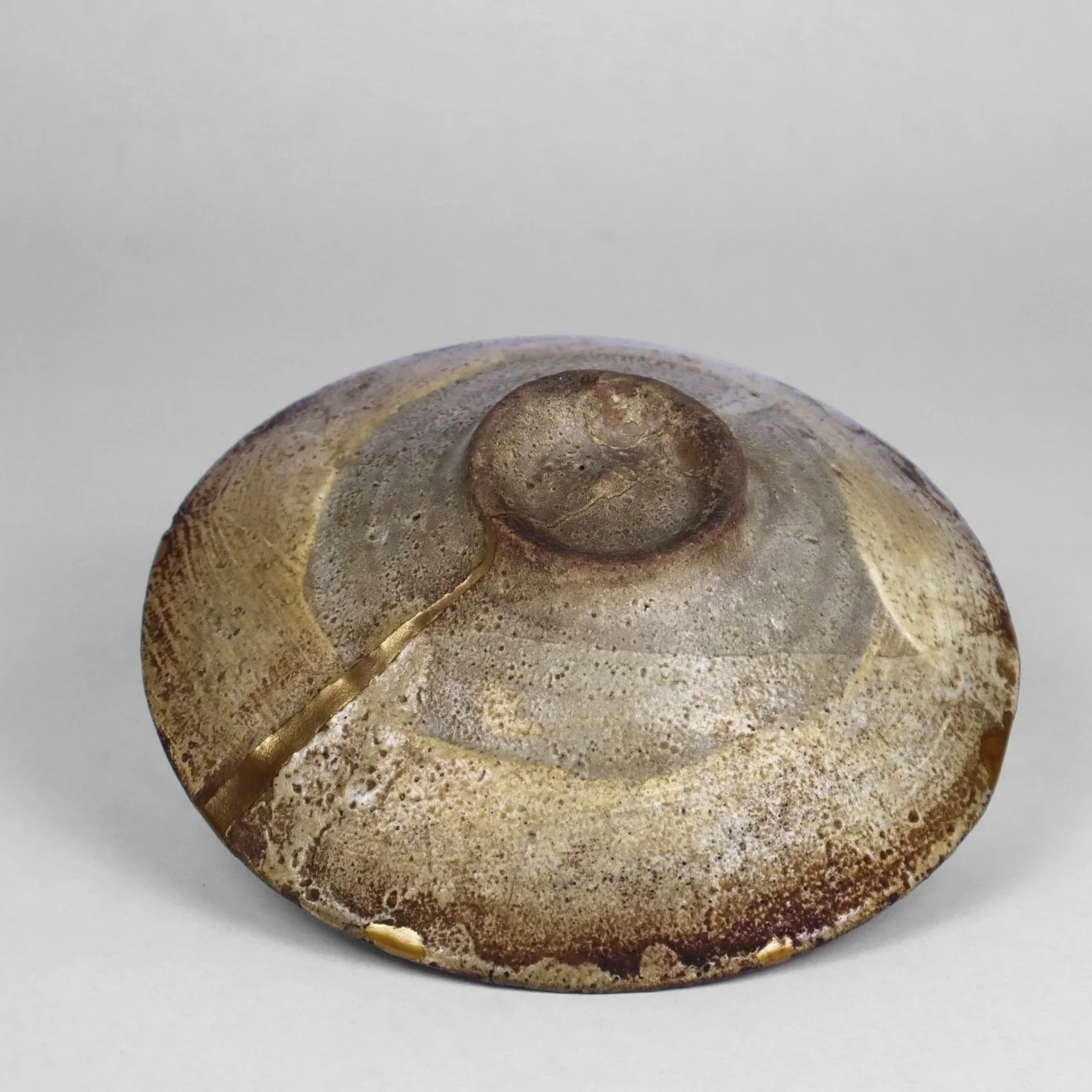
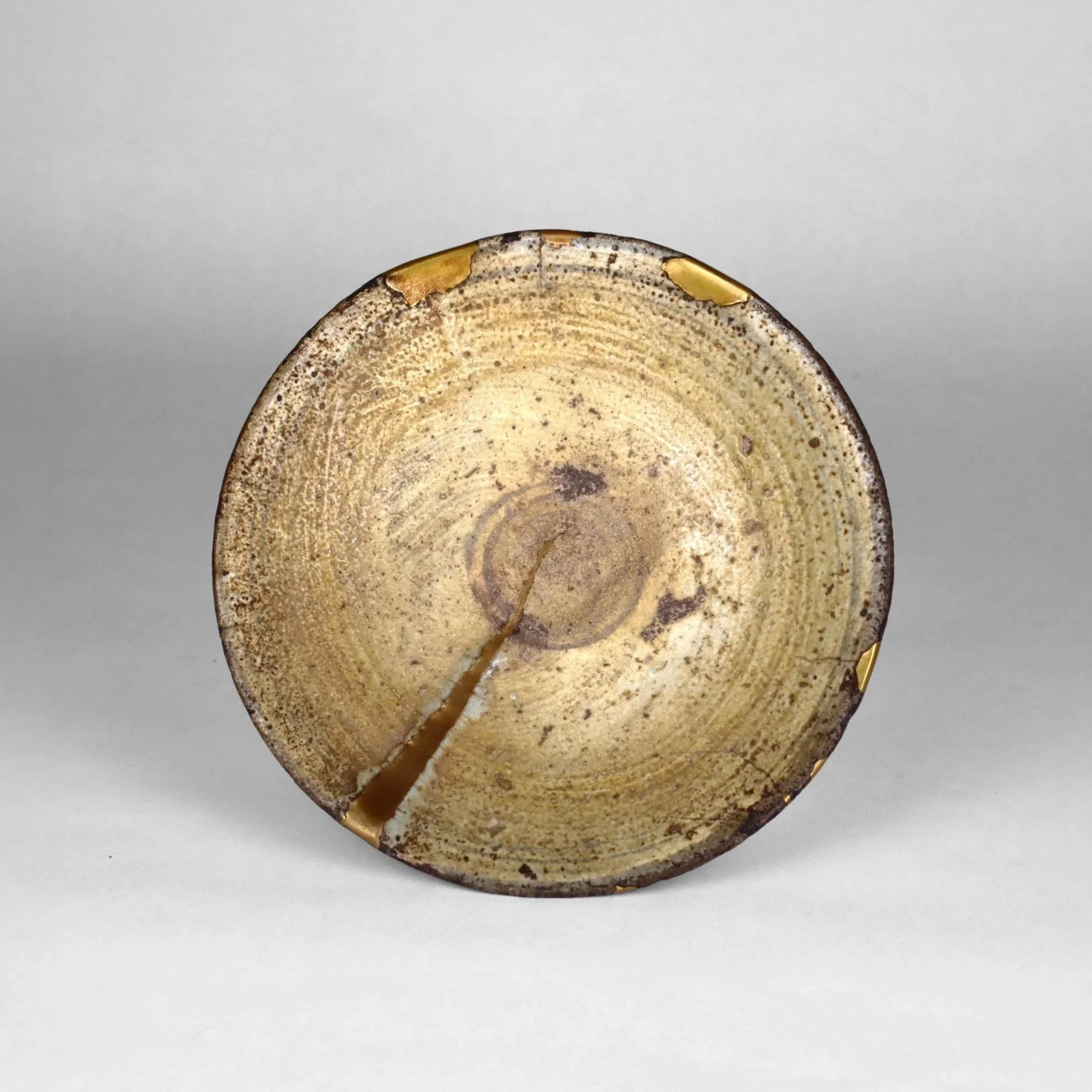
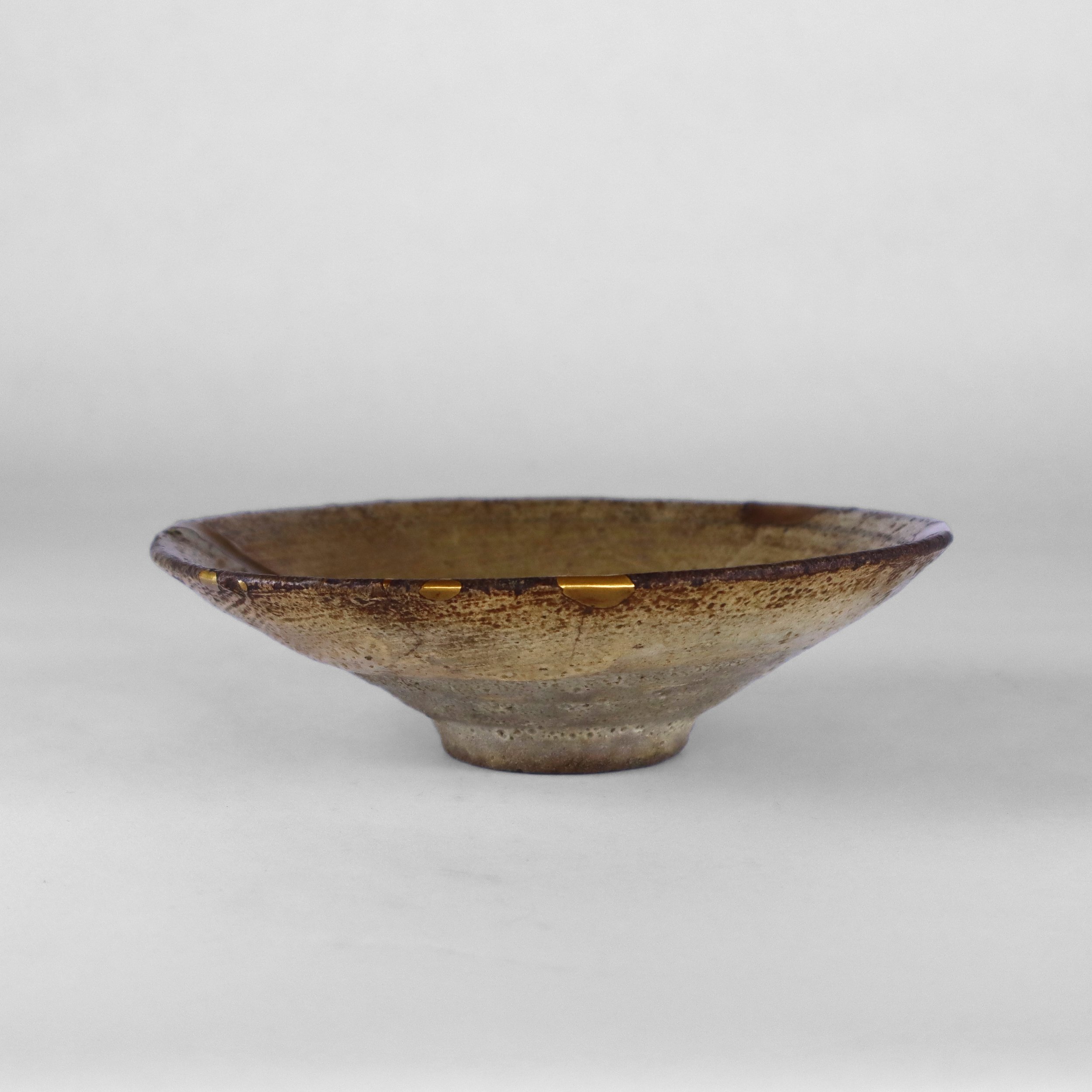
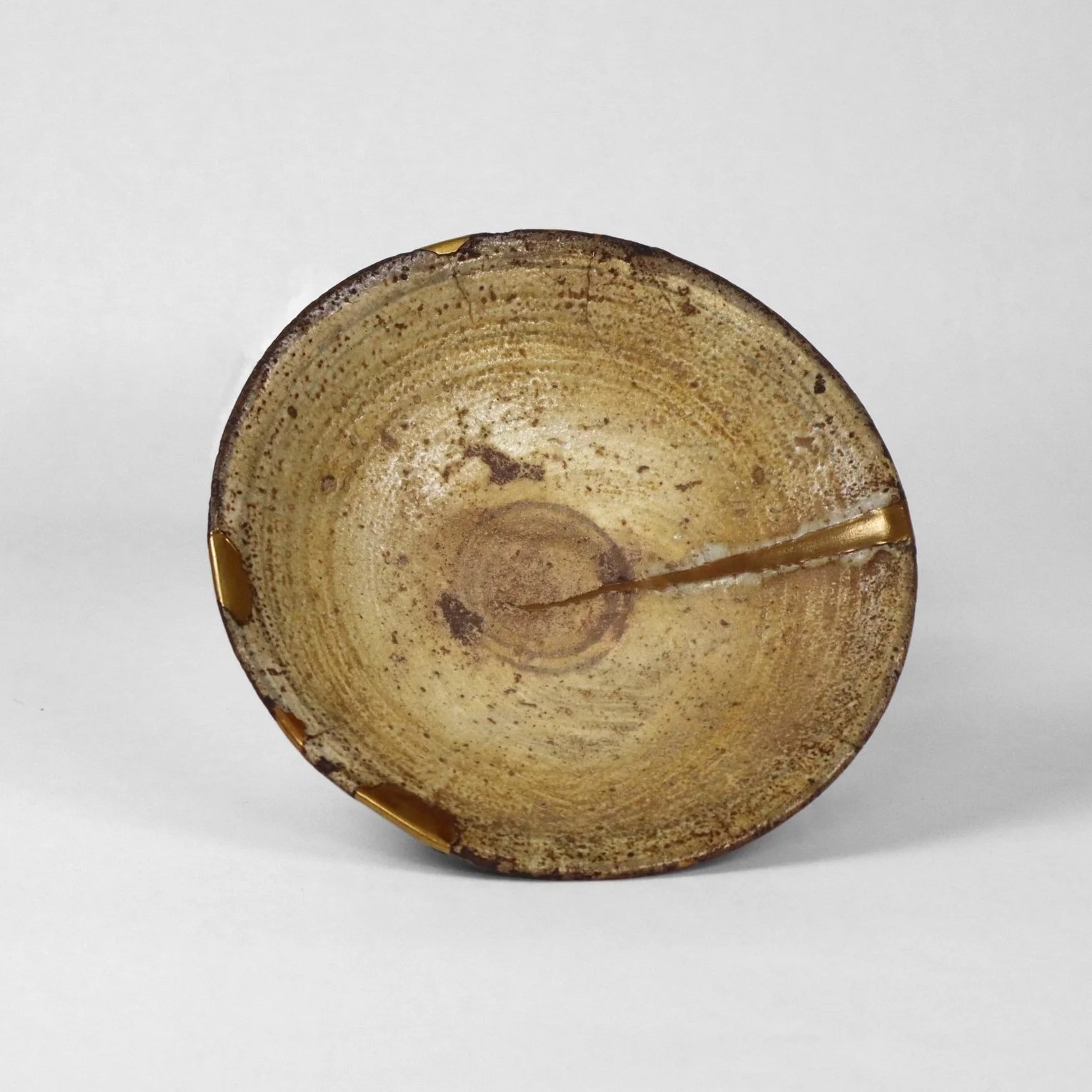
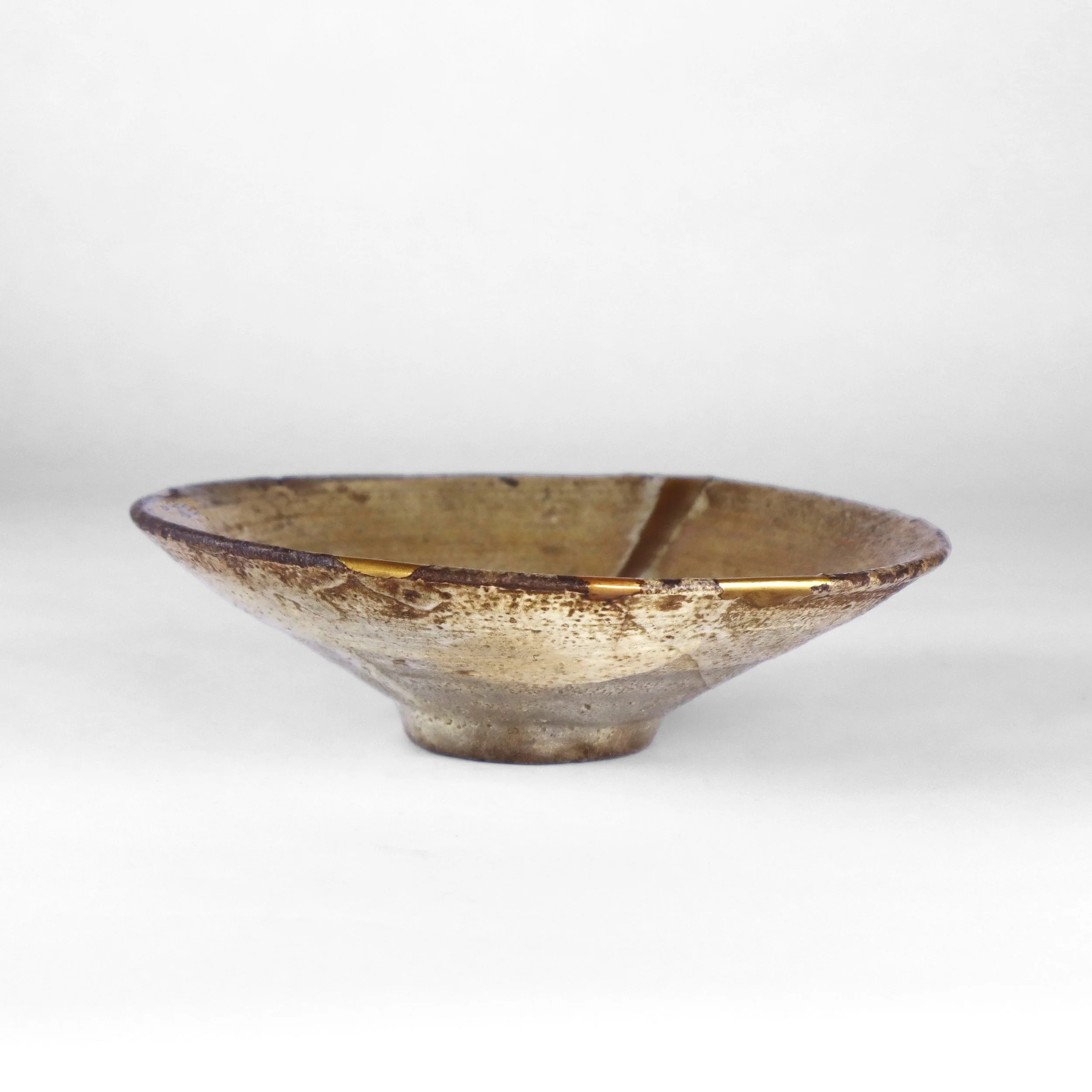
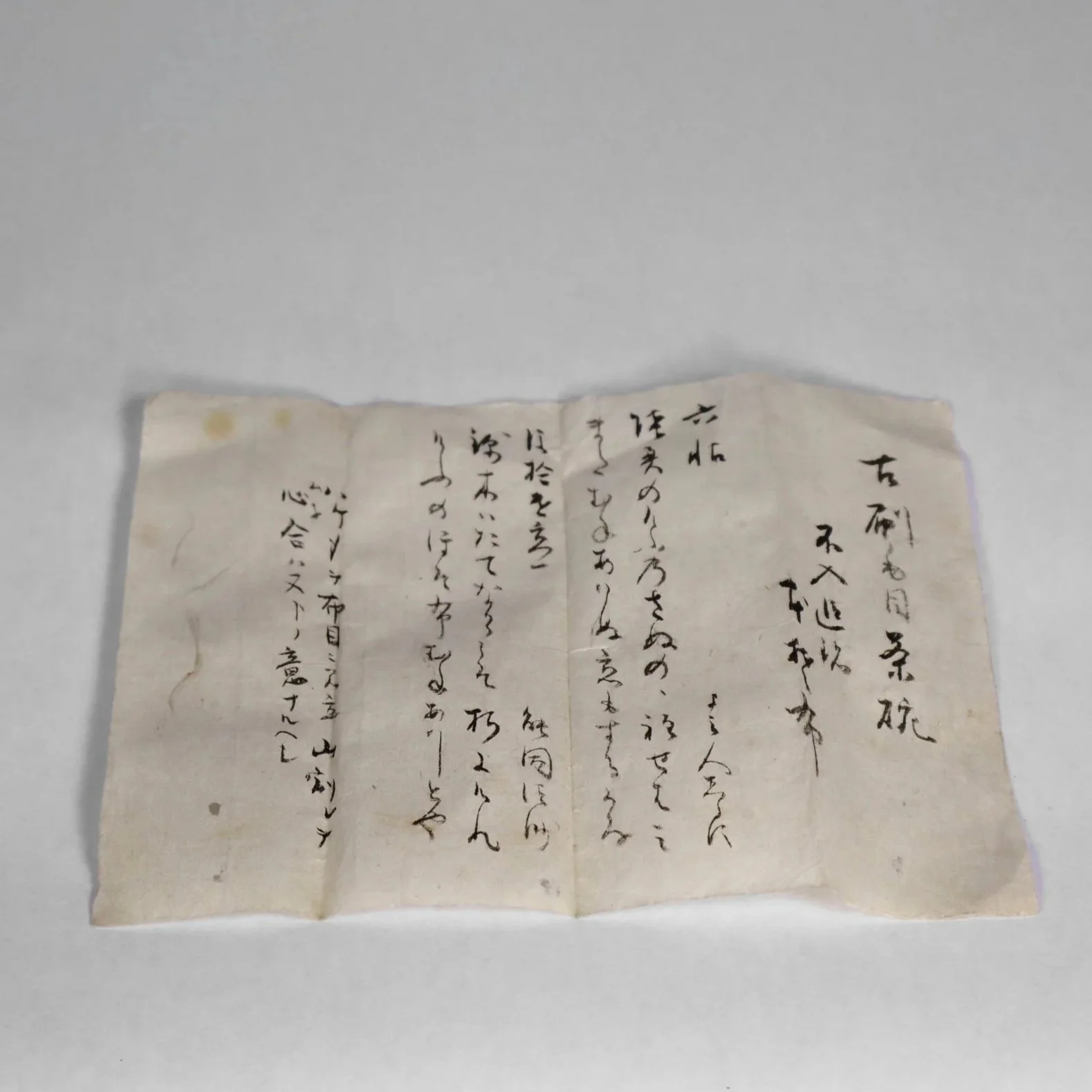
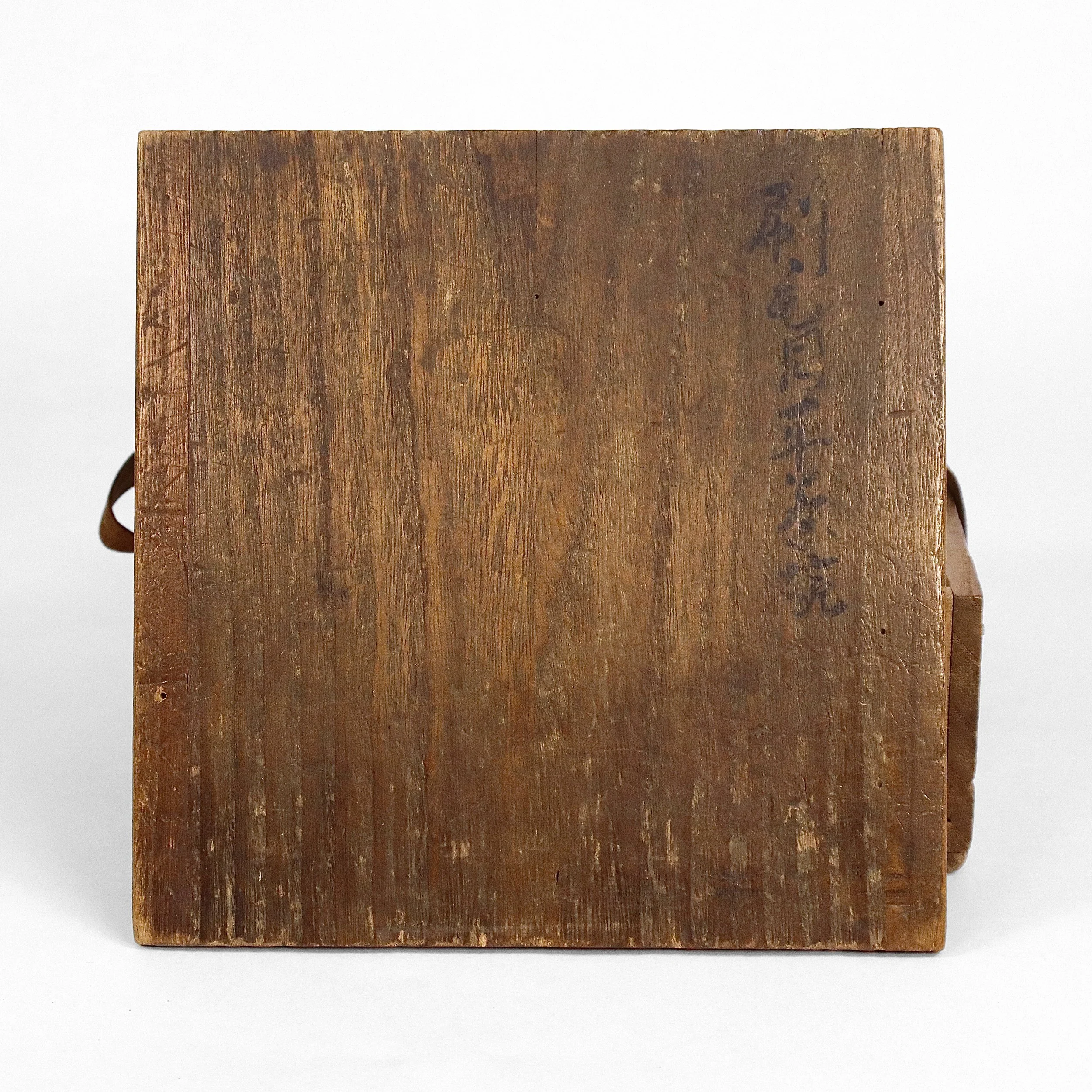
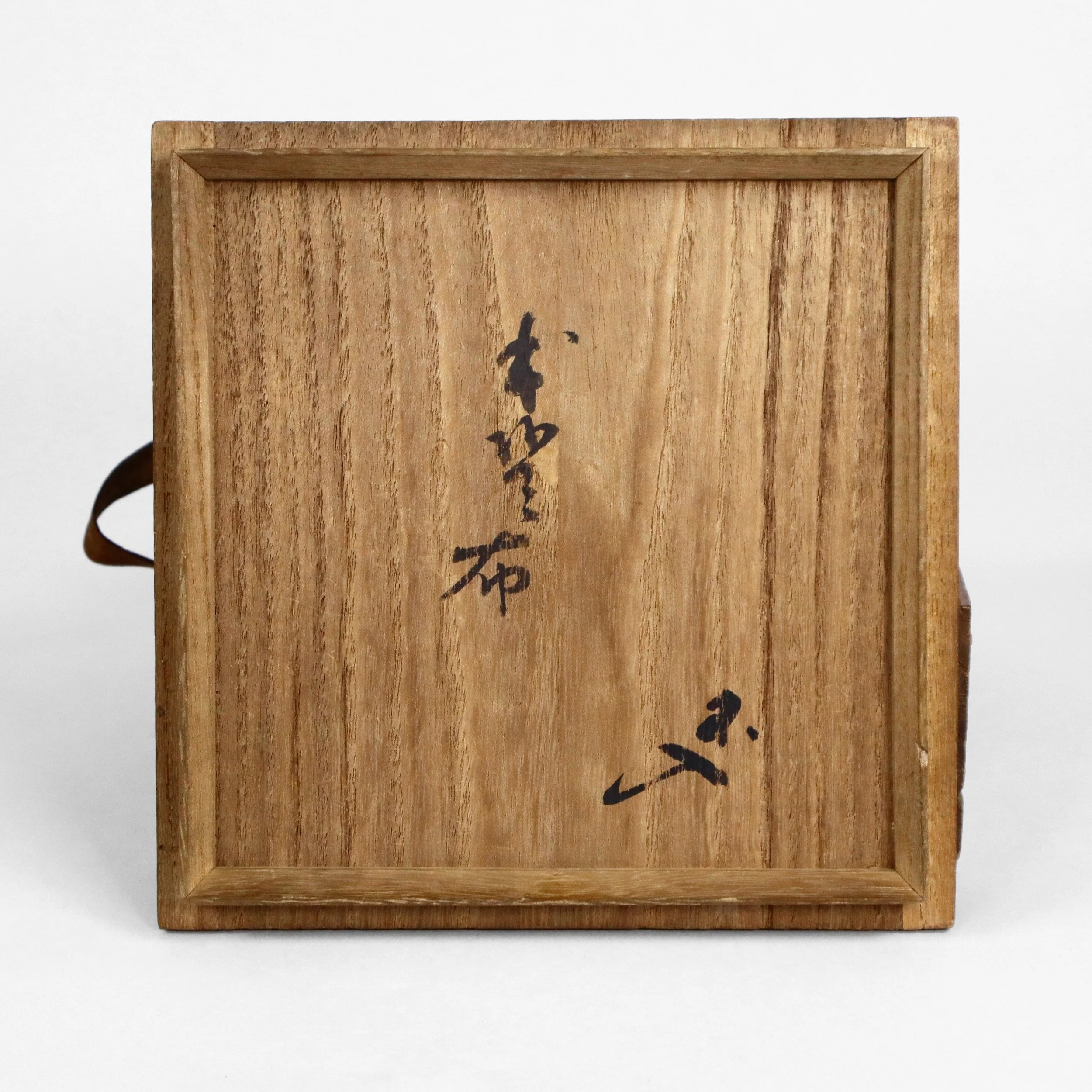
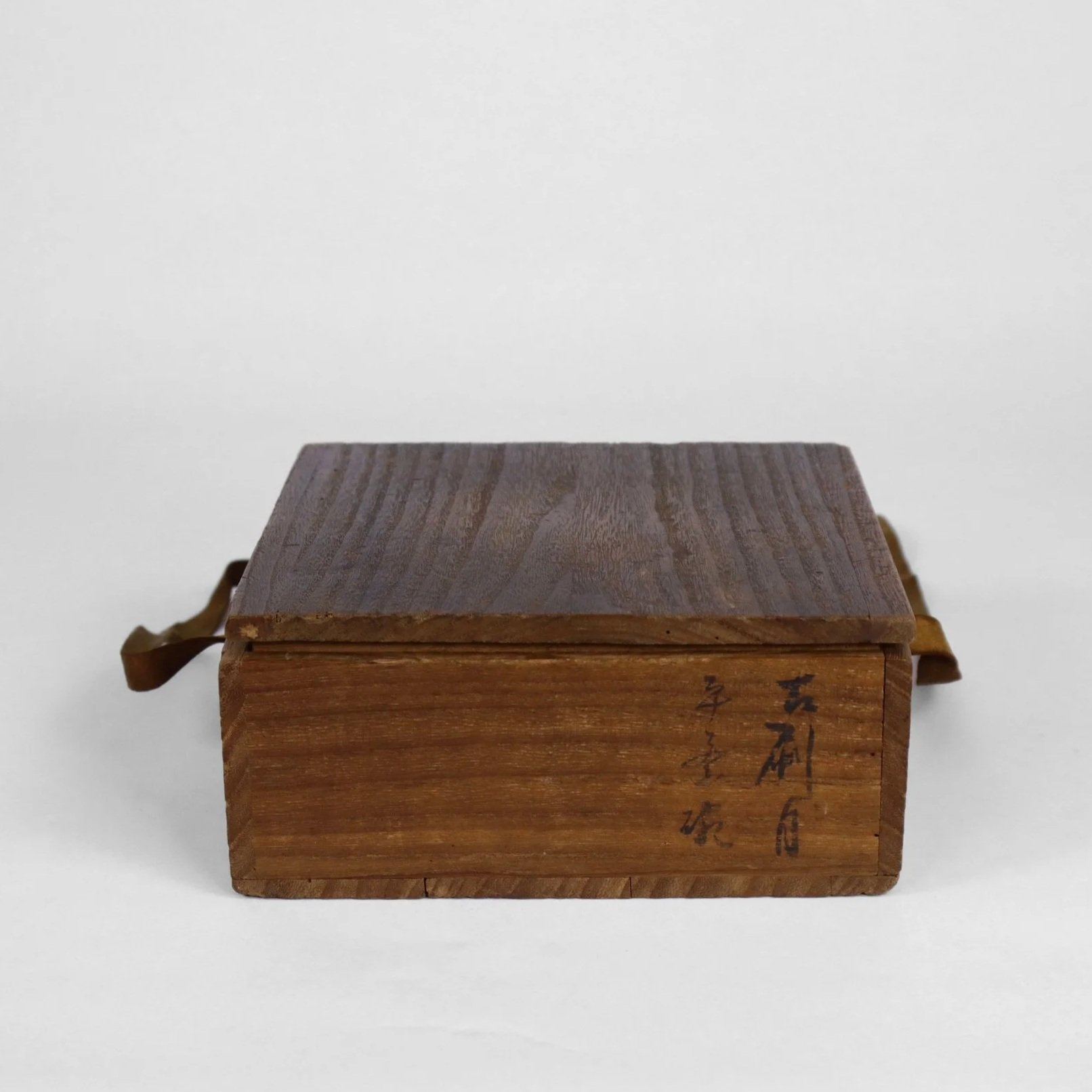
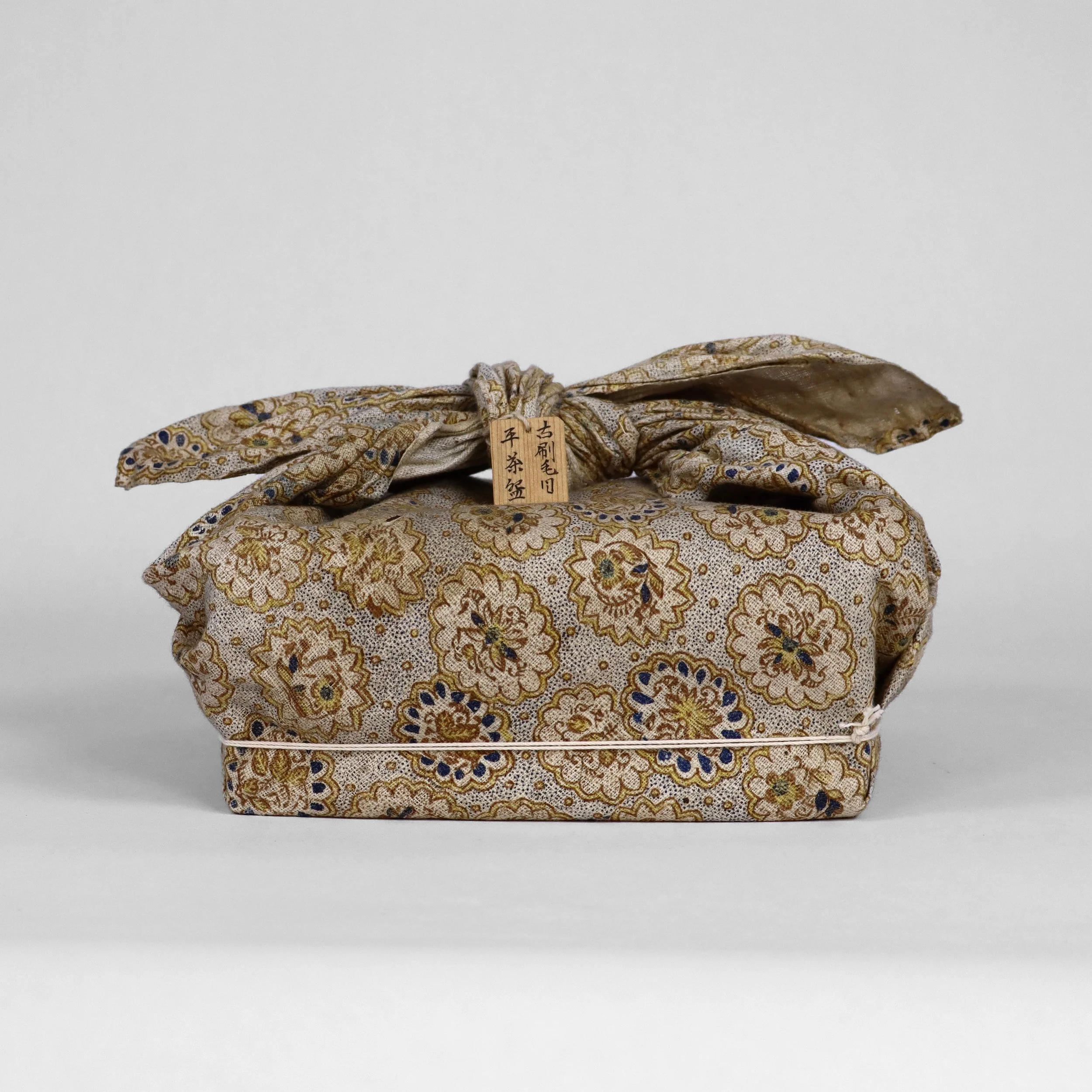
Tea Bowl - stoneware clay with buncheong-style celedon-like glaze and white slip, with gold lacquer kintsugi repairs. with signed tomobako, heian period poem, and taisho period furoshki16.5 cm x 5 cmPrice upon RequestHosonuno (“Fine Cloth”) is a historic Japanese tea bowl whose significance lies not only in the bowl itself, but in its layered history of ownership, repair, poetry, and tea culture. It is accompanied by its original inscribed paulownia box, an Edo-period letter, and a Taisho-period wrapping cloth. The bowl may be either 16th-century Korean buncheong ware or an early Edo-period Japanese work from the Rakuzan kiln in Matsue.
The bowl was owned by Matsudaira Harusato (1751–1818), the seventh daimyo of Matsue, better known as Matsudaira Fumai. A major tea connoisseur, Fumai amassed hundreds of important tea utensils and helped revitalize chanoyu through an aesthetic that emphasized simplicity and the unity of Zen and tea.
At some point, Hosonuno broke and was repaired with kintsugi by the celebrated lacquer artist Matsue Funyū (1771–1850), who was favored and patronized by Fumai. The evidence suggests that Fumai may have given the already-named bowl to Funyū after its breakage, transforming the damage into an important part of the object's beauty and meaning.
An accompanying Edo-period letter reinforces this interpretation. It includes two much older waka poems that compare the challenge of sustaining a fragile relationship to threads binding together fine brocade or cloth. This imagery directly echoes the bowl's name, Hosonuno, and poetically connects its gold-filled cracks to the stitching together of something delicate and broken.
Read more about this object here